Describe the Formation of Both Positive and Negative Ions
This diagram shows the positive and negative parts of a water molecule. By the Attraction between a positive nucleus and negative electrons with the attraction between a positive ion and a negative ion When do chemical bonds form Positive ions form when they lose one or more Vance electrons in order to attain a noble gas configuration.

Ionic Bonding Manipulatives Puzzle Activity Teaching Chemistry Chemistry Classroom Chemistry Education
Forms when an atom loses one or more valence electrons in order to attain a noble gas configuration.

. A negative ion anion is formed when an atom or group of atoms gains electrons until there are more electrons than protons. At the molecular level salt dissolves in water due to electrical charges and due to the fact that both water and salt compounds are polar with positive and negative. How many electrons must each atom lose of gain to get an octet a nitrogen b sulfur c.
Ionic bonds occur between which two types elements. In ionic compounds compounds formed through ionic bonding the strong attractive forces between the positive and negative ions result in the formation of a giant ionic structure. Inside the atom of every element are sub-particles.
The outer shells of non-metal atoms gain electrons when they form ions. This also happens when an element is exposed to a new element and the possibility to merge is an option. Negative ions form when valence electrons are added to an atom.
It also depicts how a charge such as on an ion Na or Cl for example can interact with a water molecule. Ionic solids are held together by the electrostatic attraction between the positive and negative ions. The charge on an ion is due to the unequal number.
Positive ions form when atoms lose valence electrons. Describe two different causes of the force of attraction in a chemical bond. A metal reacts with a nonmetal to form an ionic bond.
Furthermore the general formula for positive ionization in mass spectrometry is GH M MH G while the general. Find step-by-step Chemistry solutions and your answer to the following textbook question. Forming negative and positive ions Forming negative ions anions Atoms gain electrons in their outer shell when they form negative ions called anions.
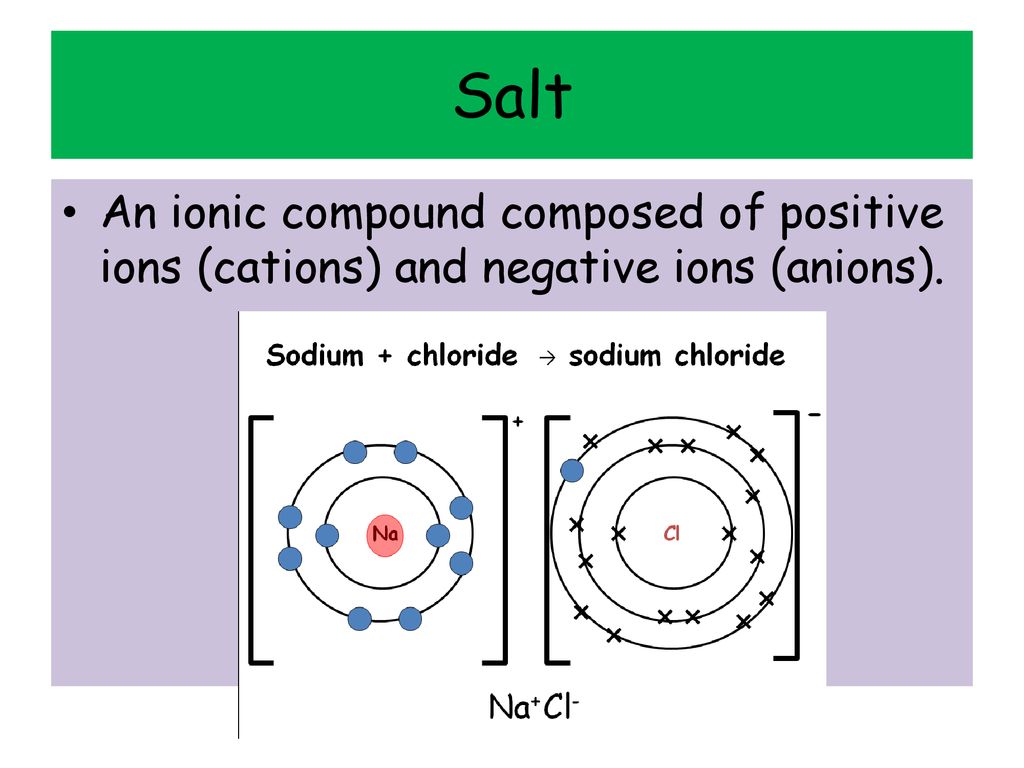
Click card to see definition. This is a crystal of sodium chloride. These ions are negative because they.
Elements gain or lose electrons to form ions and to gain full outer shells. The ions formed are negative because they have more. Describe the formation of positive and negative ions.
Positive and negative ions are formed by gaining or losing electrons from neutral atoms. The two causes are the attraction between the positive nucleus of one atom and the negative. WOW - Ionic Compounds and Metals Ionic Compounds and Metals Ion Formation.
Lithium has 3 electrons so it needs to lose one to gain a full outer shell. Describe the formation of both positive and negative ions. Ionic compounds form when positive and negative ions share electrons and form an ionic bondThe strong attraction between positive and negative ions often produce crystalline solids that have high melting points.
A positive ion cation is formed by removing electrons from an atom or group of atoms until there are fewer electrons than protons. Describe the lattice structure of ionic compounds as a regular arrangement of alternating positive and negative ions exemplified by the sodium chloride structure. Positive and negative attracts and must always have the same equality to make the attraction possible.
For example lets look at Lithium and Fluorine. This ions are regularly arranged in what is. The positive ion called a cation is listed.
The electrostatic attraction between the positives and negatives brings the particles together and creates an ionic compound such as sodium chloride. The result is a three-dimensional structure of alternate Na and Cl ions. Predict the change that must occur in the electron configuration if each of the following atoms are to achieve a noble gas configuration.
Compare the stability of a lithium atom with that of its ion Li. Ionic bonds form instead of covalent bonds when there is a large difference in electronegativity between the ions. Describe the formation of both positive and negative ions.
Cations form from the loss of electrons and have a positive charge while anions form through the gain of electrons and have a negative charge. Forms when nonmetals gain electrons to attain a stable outer. Positive and negative ions are natural phenomena which are occurring in every instance around us.
Ions form when two or more elements need to combine together to form a new one. Multiplying a positive number by a negative number or a negative number by a positive number results in a negative resultFor addition if you add two positive numbers the result is positive. The key difference between positive and negative ionization in mass spectrometry is that the positive ionization is the process that forms positively charged ions whereas the negative ionization is the process that forms negatively charged ions.
Cation Formation Cations are the positive ions formed by the loss of one or more electrons. They form through Ionic bonding. For example the sodium ions attract chloride ions and the chloride ion attracts sodium ions.
Metallic elements produce positively charged ions by losing electrons while nonmetallic elements produce negatively charged ions by gaining electrons. Tap card to see definition. The process of losing or gaining electrons causes ions to.
They are formed when atoms gain or lose electrons in order to fulfill the octet rule. Fluorine would gain this electron to have 10 electrons giving it 2 full outer shells. The Li ion is more stable because it has a complete octet.
Cations positively-charged ions and anions negatively-charged ions are formed when a metal loses electrons and a nonmetal gains those electrons.

Ions And Ionic Bonding Igcse Chemistry Cambridge Cie Ionic Bonding Chemistry Electron Configuration

Ions And Ionic Bonding Igcse Chemistry Cambridge Cie Teaching Resources Ionic Bonding Chemistry Gcse Chemistry

Positive Ions Charge Negative Ions Ammonium Nh4 1 Chloride Cl 1 Ppt Download
Positive Ions Charge Negative Ions Ammonium Nh4 1 Chloride Cl 1 Ppt Download

What Is An Ion Negative Ions Negativity Positive And Negative

Positive Ions Charge Negative Ions Ammonium Nh4 1 Chloride Cl 1 Ppt Download

Ionic Bonding The Science Hive

Difference Between Positive And Negative Ion Compare The Difference Between Similar Terms
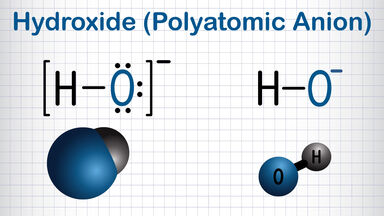
Ion Examples With Positive Negative Charges

Positive Negative Ions Formed 1 Ionic Bonding Ionic Ap Chemistry
Common Ions Types In Positive And Negative Ion Mode Download Table

Difference Between Positive And Negative Ion Compare The Difference Between Similar Terms

Positive Ions Charge Negative Ions Ammonium Nh4 1 Chloride Cl 1 Ppt Download

Covalent Bonding Igcse Chemistry Cambridge Cie Covalent Bonding Chemistry Electron Configuration

A Polyatmoic Ion Chart Allows A Chemist To See The Combinations And Formula S For Compounds Chemistry Basics Chemistry Lessons Chemistry Classroom

Common Ions Types In Positive And Negative Ion Mode Download Table
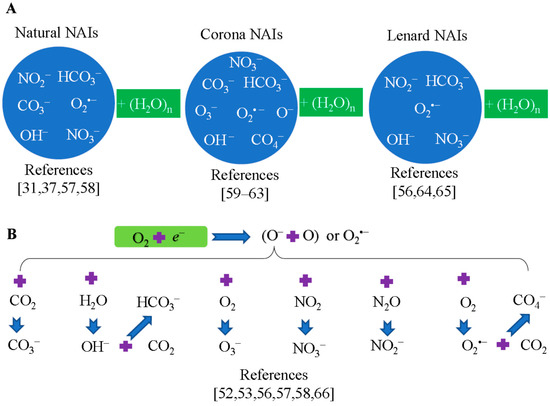
Ijms Free Full Text Negative Air Ions And Their Effects On Human Health And Air Quality Improvement Html

Ions And Ionic Bonding Igcse Chemistry Cambridge Cie By Igcse101 Ionic Bonding Chemistry Electron Configuration
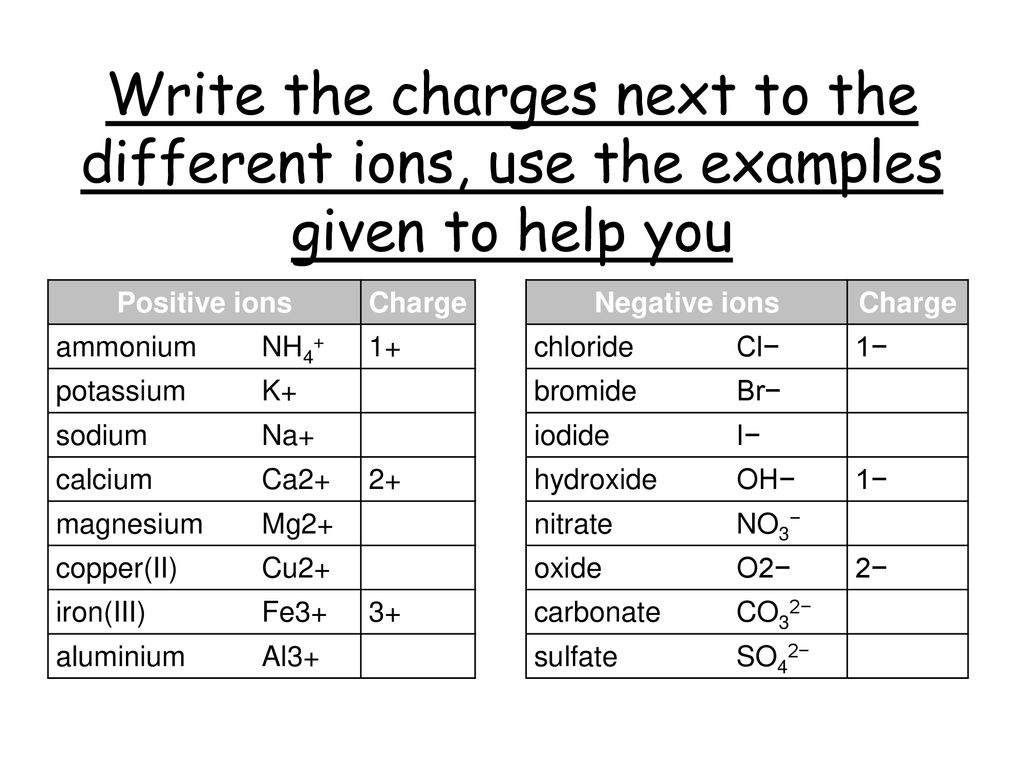
Positive Ions Charge Negative Ions Ammonium Nh4 1 Chloride Cl 1 Ppt Download


Comments
Post a Comment